






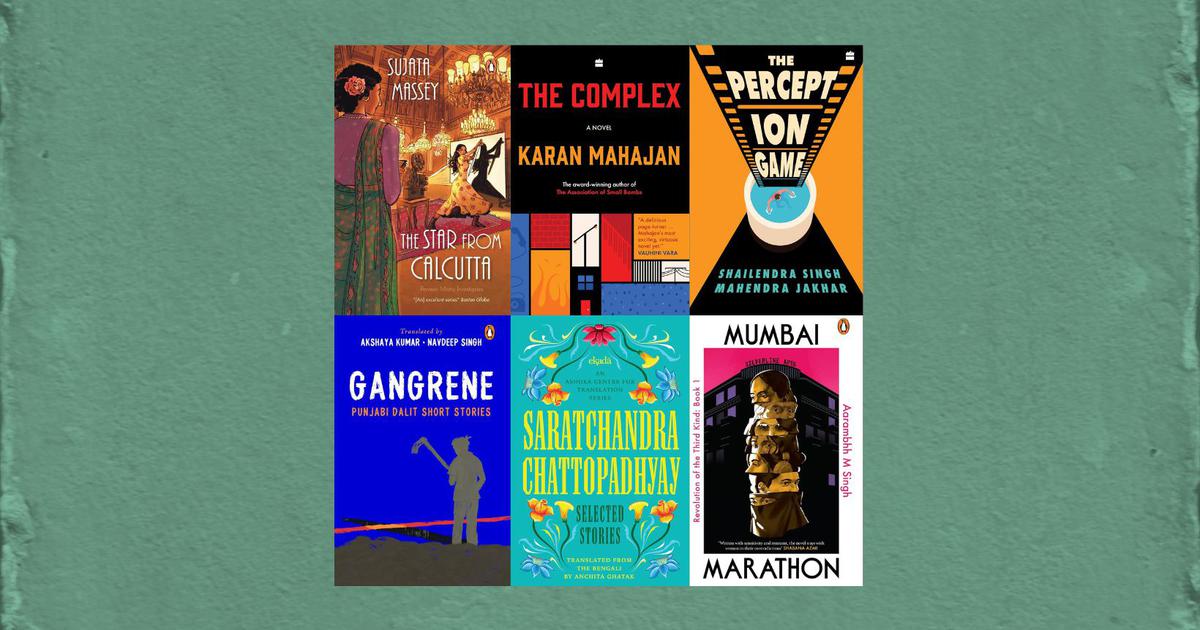
All information sourced from publishers.
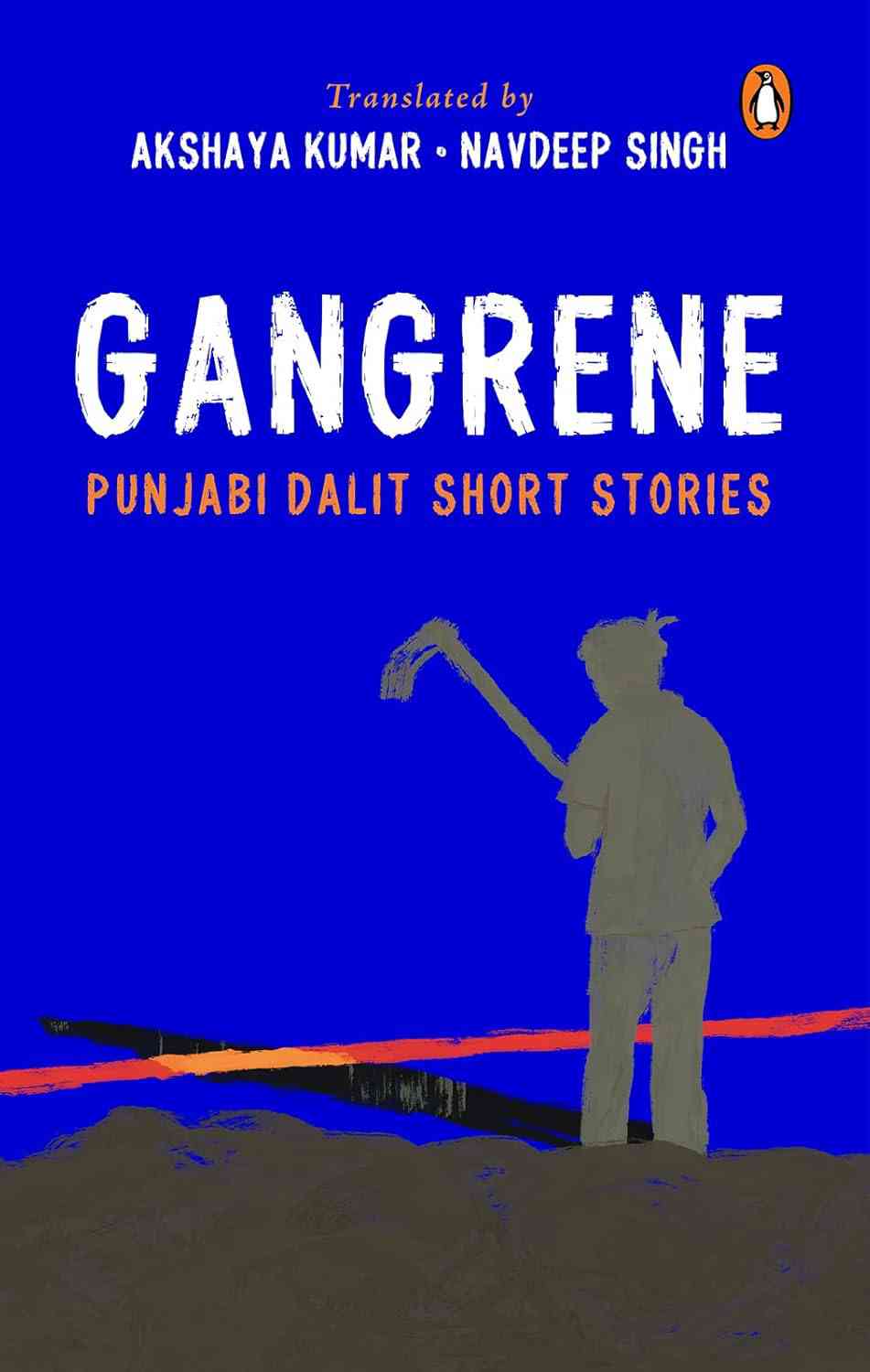
Gangrene: Punjabi Dalit Short Stories Kindle Edition, translated by Navdeep Singh and Akshaya Kumar
In percentage terms, Punjab has the highest Dalit population in India (around 30% of its population). But in spite of that, Punjabi Dalit writing has struggled to find recognition.
Initial writings about Dalit issues were largely by the stalwarts of Punjabi literature like Nanak Singh, Gurbaksh Singh Preetlari, Kulwant Singh Virk and Gurdial Singh. Since the 1970s, though, Punjabi Dalit writing has undergone a shift in consciousness with the emergence of Attarjit, among the earliest Dalit writers to make a mark. Soon, others like Prem Gorkhi, Mohan Lal Phillauria, and Bhagwant Rasulpuri emerged.
Gangrene is an attempt to compile some of Punjabi literature’s most powerful short stories on Dalit themes and issues. Carefully curated by Akshaya Kumar and Navdeep Singh, this volume features stories on a variety of issues ranging from caste identities and rural exploitation to urban life and housing. Searing in its indictment of casteism, this volume is a window to a better understanding of Punjabi society.
The Complex, Karan Mahajan
In Delhi, in the 1970s, the sons and daughters of SP Chopra, one of India’s political architects, live together in a sprawling complex – A-19 Modern Colony – vying for influence in a family shaped by the great man’s legacy. By the end of the decade, the descendants are scrambling to define their own futures in a still-young nation on the brink of transformation.
Newlyweds Gita and Sachin Chopra immigrate to America, believing it’s the only way to escape the pressure cooker that is Sachin’s prominent family. Yet Delhi remains an inescapable force, one that keeps pulling them back, even as Gita is menaced by Sachin’s predatory uncle, Laxman. A man of restless ambition, Laxman ascends the ranks of a rising Hindu nationalist movement, while Vibha, his sister, tries to keep the peace and the reputation of the family intact.
As India erupts in violence in the 1990s, and Laxman gains power, The Complex compels one to ask: Could the ferment in A-19 reflect the convulsions of a nation?

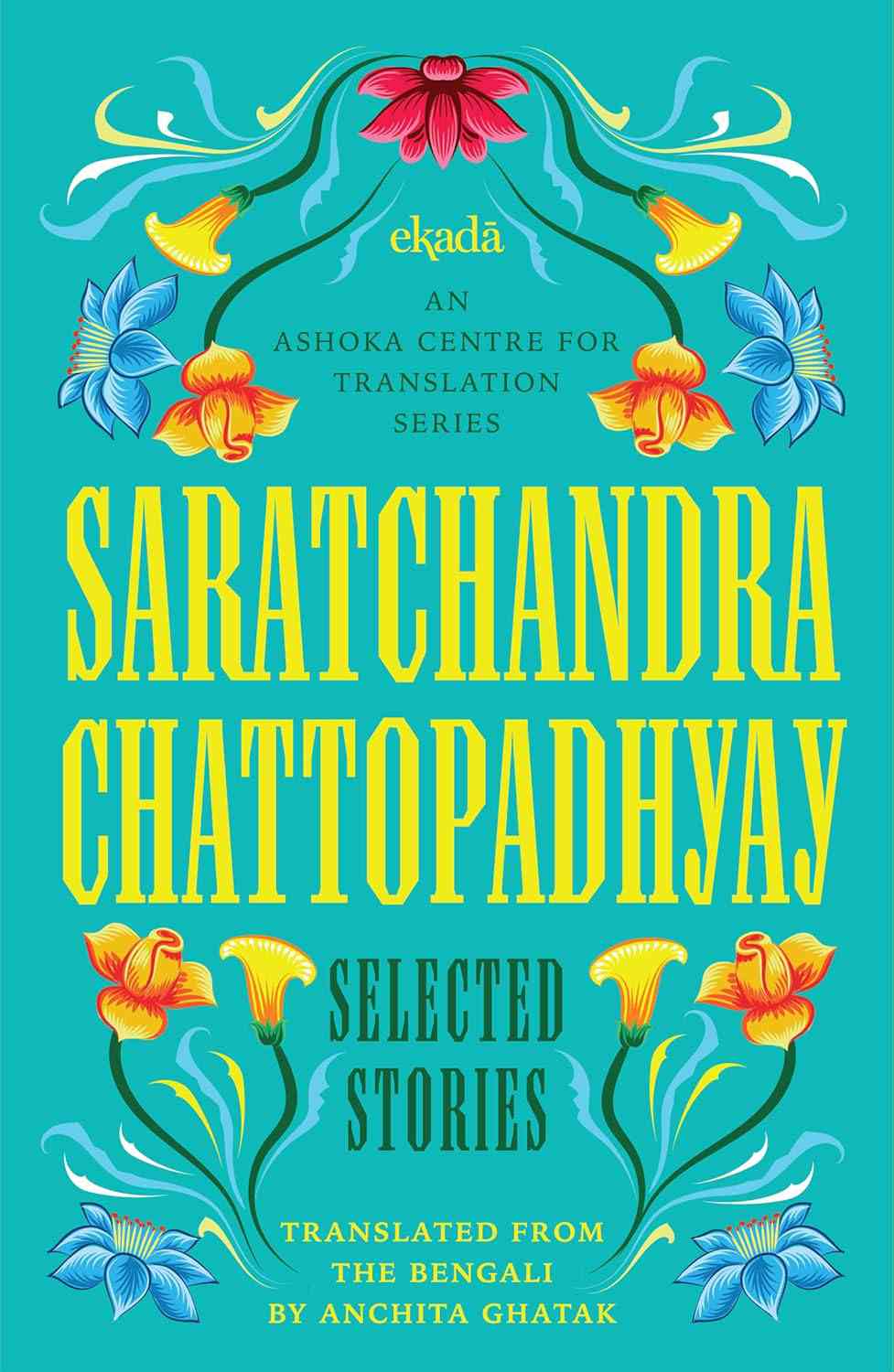
Saratchandra Chattopadhyay: Selected Stories, translated from the Bengali by Anchita Ghatak
Saratchandra Chattopadhyay occupies a central place in modern Indian literature. His writing, marked by realism, emotional depth and social critique, continues to resonate with readers because of its timeless portrayal of the human condition. Exploring themes such as marriage, poverty and caste, class and gender inequality, Saratchandra painted a vivid picture of the lives of ordinary people.
Weaving the complex nuances of love, sacrifice, betrayal and moral dilemmas into cinematic storytelling, he created strong, memorable characters. His prose was simple yet powerful, making his works accessible to a wide readership.
Saratchandra’s short stories contributed to the social and cultural renaissance in 20th-century Bengal. His works influenced an entire generation of Bengali writers who came after him. He remains one of the most widely translated and read authors in the country.
The stories in this collection, selected and translated by Anchita Ghatak, are a fine introduction to one of Bengal’s most loved writers.
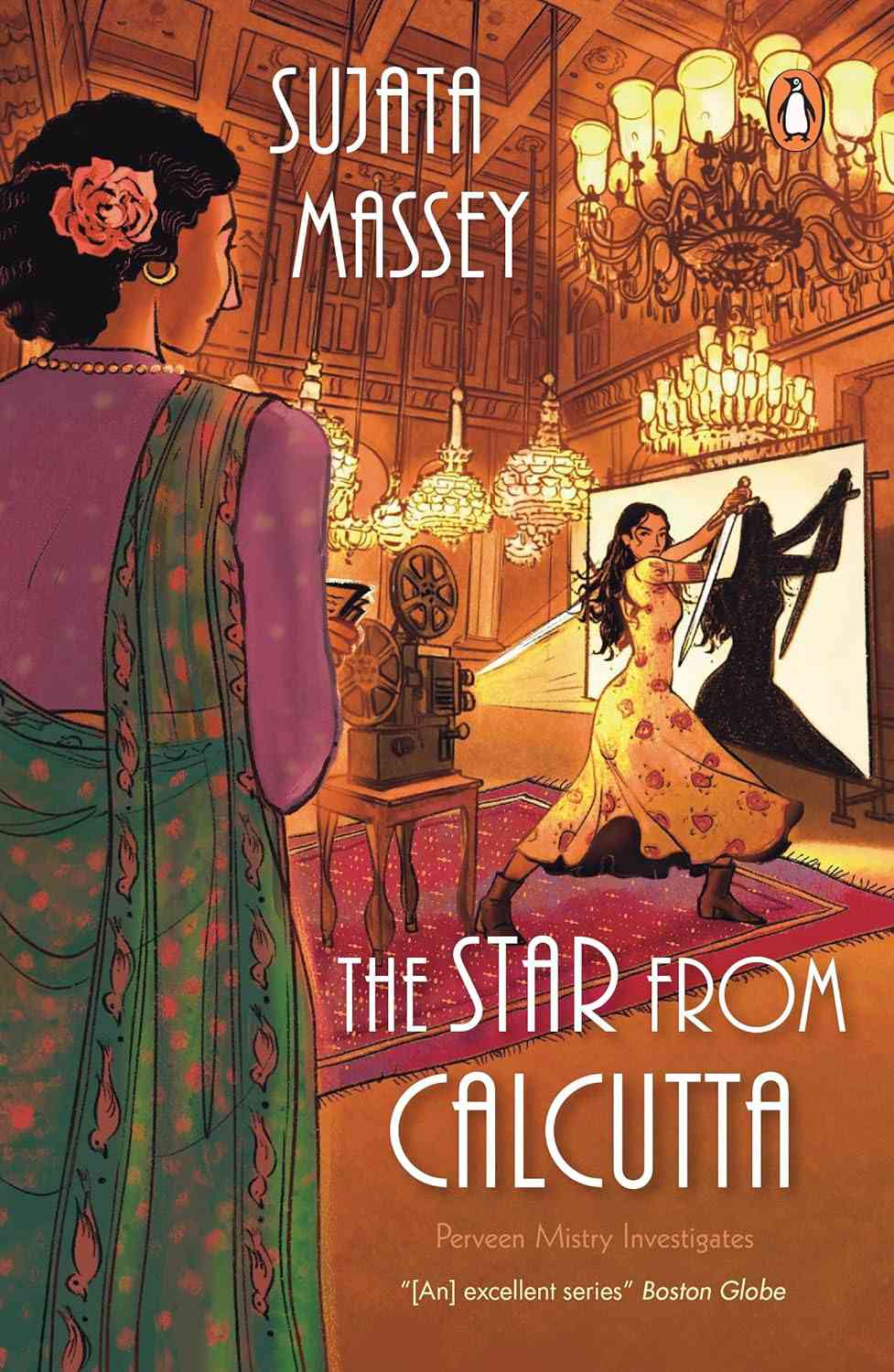
The Star from Calcutta, Sujata Massey
India, 1922: Perveen Mistry, the only female lawyer in Bombay, is on the verge of securing her biggest client yet: Champa Films, a movie studio run by director Subhas Ghoshal and his wife, Rochana, the hottest box office ticket in Indian cinema. In the public eye, Rochana is notorious for her beauty and her daring stunts – behind the scenes, she has recently left the Calcutta studio that made her famous, and the studio owner is enraged by what he claims is a breach of contract. Rochana needs Perveen’s legal help to extricate Champa Films from the impending controversy.
With her work cut out for her, Perveen attends a screening party at the Champa Films’ mansion-cum-studio to study Rochana’s glamorous world. She brings her film-fanatic best friend, Alice Hobson-Jones, the white English daughter of the British Raj governor, as her companion. But in the aftermath of the party, one of the party guests, a Bombay film censor, is found dead on the property. To make matters worse, Rochana has disappeared.
Now with a different legal obligation to her clients – to protect them in the face of a developing murder case – Perveen begins to investigate, peeling back the glitz to reveal a salacious web of blackmail, deceit, and romantic affairs. Perveen has her own secret: her relationship with a handsome former civil service officer, which is becoming harder to hide by the day. For the first time in their friendship, Alice seems to be keeping a secret from Perveen, too, and Perveen begins to suspect that Alice is hiding key information about the night of the murder. Will Perveen be able to detangle the truth from lies while protecting herself – and her closest friend?
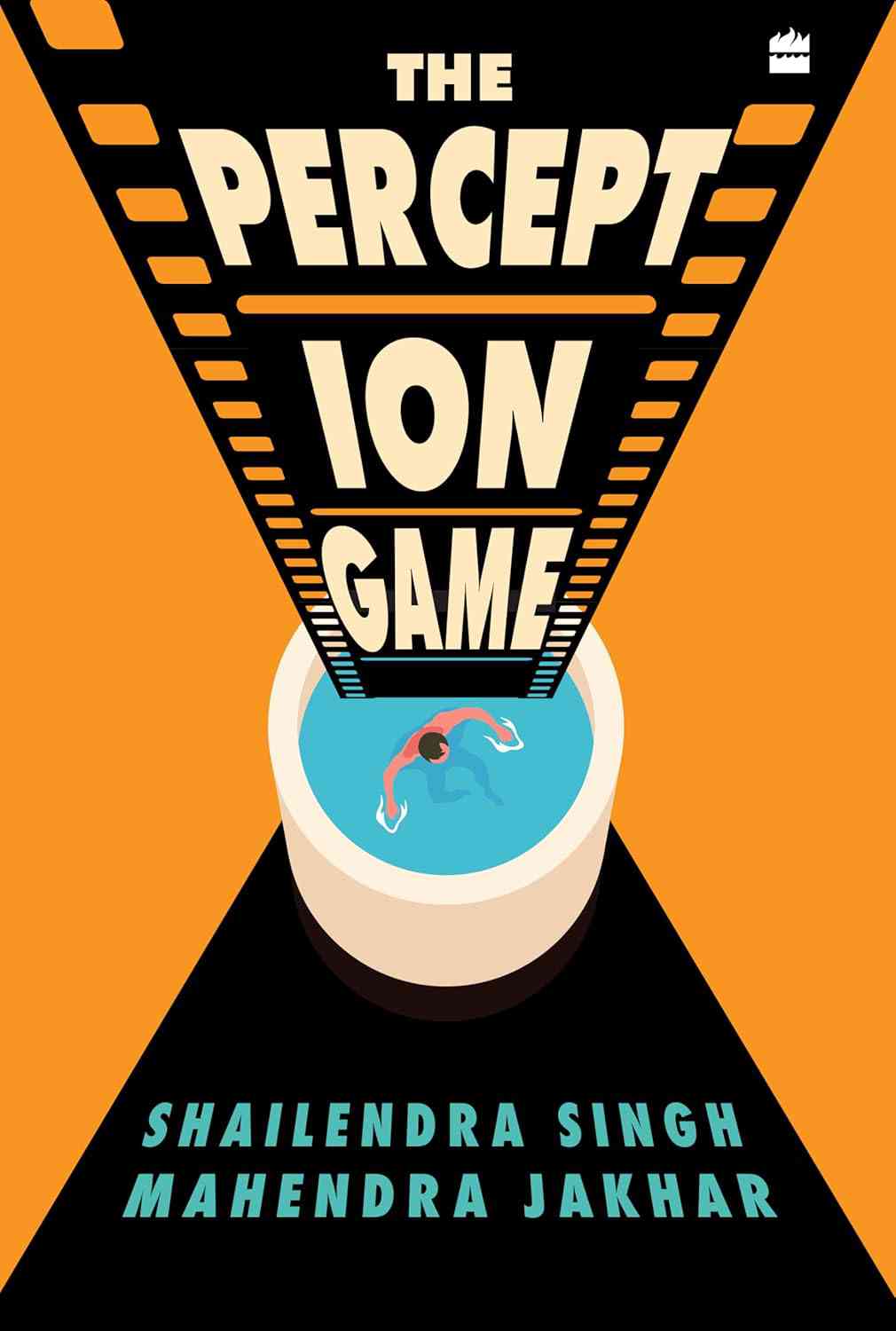
The Perception Game, Shailendra Singh and Mahendra Jakhar
For a four-year-old Sikander, who lands with his family from a riot torn Belgaum, the glitzy city of Mumbai proves to be the perfect setting to expand his wings. As he grows up in the early seventies, a chance meeting with an underworld don changes the course of Sikander’s life. A roller coaster ride involving politics, the underworld, Bollywood, fashion world, cricket stars, power brokers in New Delhi, billionaire businessmen, top CEOs, star-astrologers, drug fueled parties and family dynamics ensues where Sikander ends up at the top of the entertainment and celebrity management landscape.
The Perception Game takes the reader on Sikander’s improbable journey where reality appears stranger than perception and every successful venture must pass through the valley of failure.
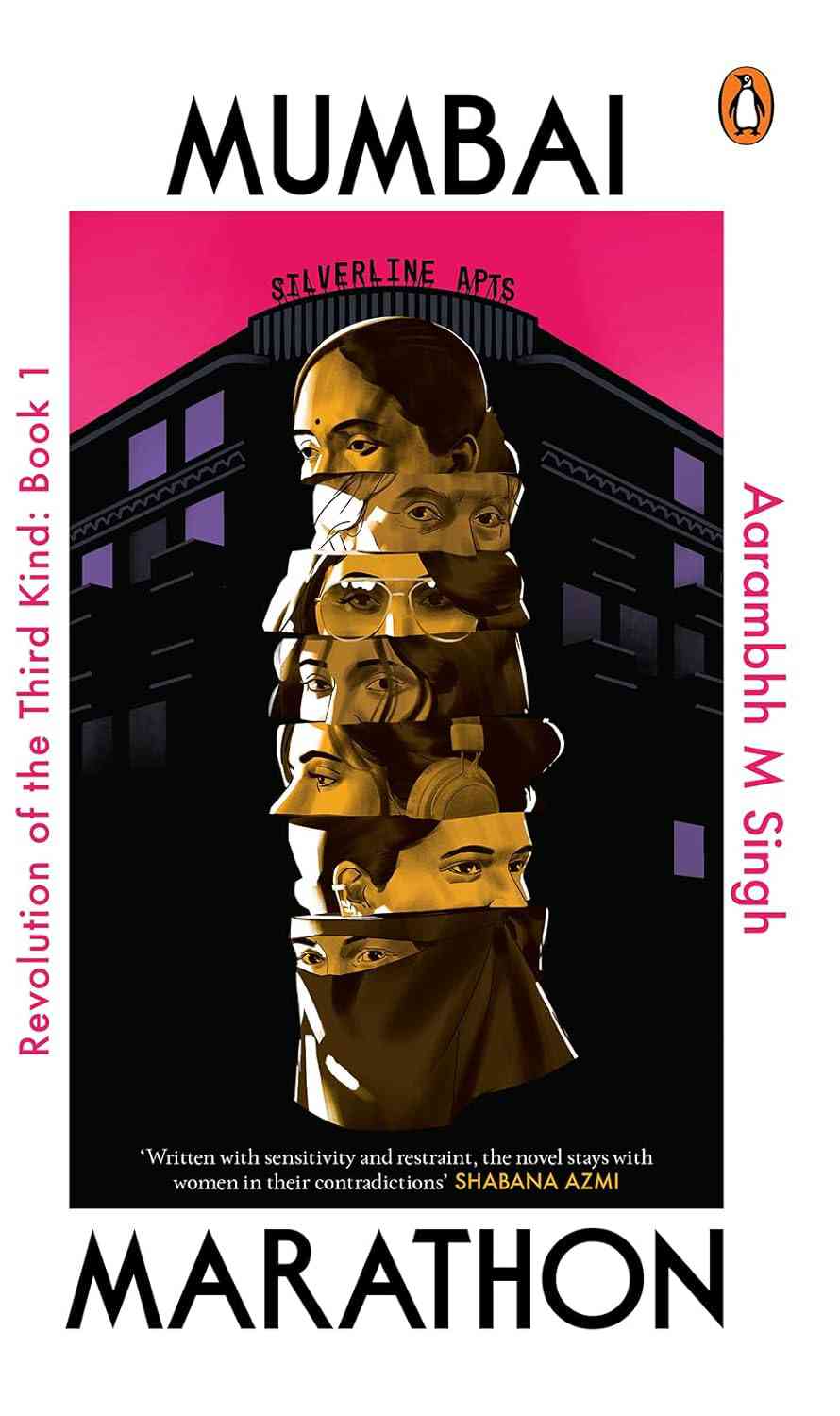
Mumbai Marathon, Aarambhh M Singh
Set in the heart of the city, Mumbai Marathon follows the complicated lives of seven women. An actress who will risk everything for a billboard. A psychiatrist who cannot outrun her own past. A maid who sells her grief to survive. A widow who mourns strangers. A socialite left behind by the spotlight. A woman who learns that motherhood can arrive without birth. And a rich girl who wants to matter.
Each stands between what was and what comes next, stumbling forward without spectacle or applause. Because for women, stopping is not an option.